The case for mood tracking: trends beat moments
A single bad day tells you little. A pattern across three weeks tells you a lot. Why longitudinal mood tracking is quietly the most powerful habit you can build.
By The Mindbriz Team
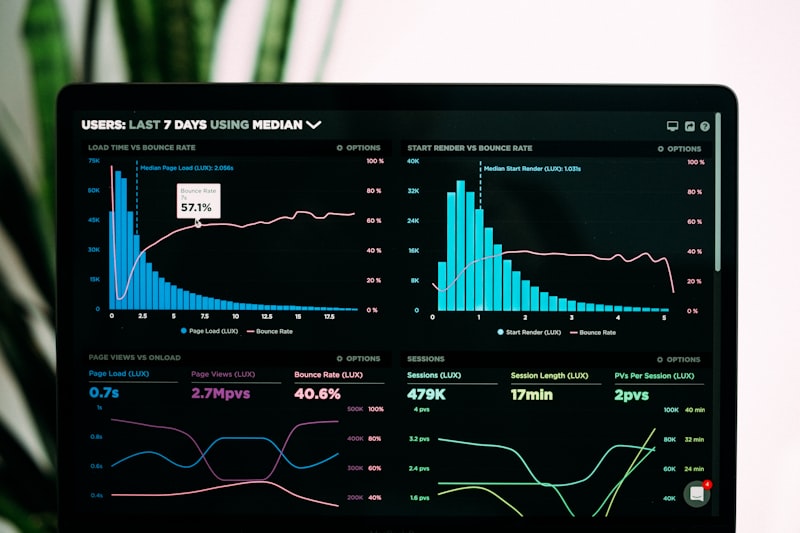
When researchers want to understand how someone is really doing, they rarely ask them once. They ask them repeatedly, across weeks and months, because a single snapshot is noisy and a curve is not. The same logic applies to the rest of us, and it is the quiet argument for daily mood tracking.
Why single assessments mislead
Mood on any given day is the sum of sleep quality, workload, weather, caffeine and a hundred other inputs. It fluctuates far more than people expect. Tools that rely on one-off check-ins — a questionnaire at a doctor's office, a 'how are you feeling today' widget you open twice a year — capture little more than how you felt in that hour.
The trend is the information
Once you collect a little, repeatedly, the noise averages out and the signal appears: mood dipping every third week, sleep shortening before anxious stretches, habits weakening before motivation collapses. Those are the moments where gentle, timely intervention actually changes the trajectory.
- Longitudinal tracking surfaces slow drifts that day-to-day feelings hide.
- Small, consistent samples beat rare, precise measurements.
- Trends let an AI companion offer help when it is relevant — not on a schedule.
You cannot change what you cannot see. Mood tracking makes the invisible curve visible.
The apps we design are not always the ones we keep using. The ones we keep using are the ones that give something back from small inputs. A trend line, quietly updated each day, is exactly that — return, on a two-minute investment.


